Ultima Guide Users’ Choice: Young, Stylish and Very Now
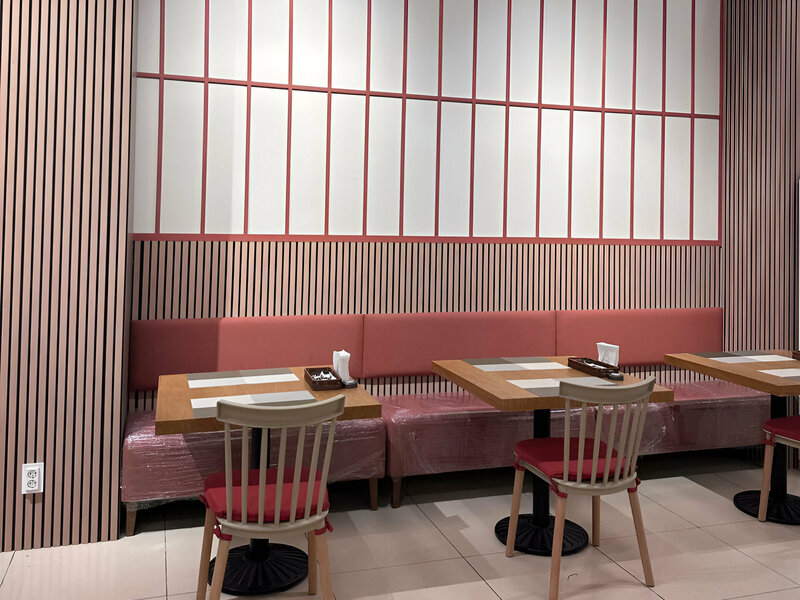
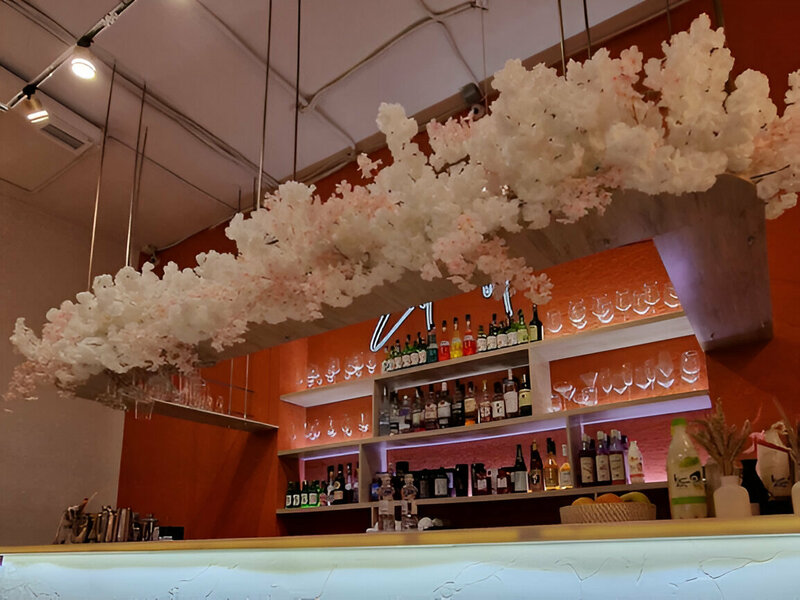
From the team behind Koktem, Et-Et and Sushië, Peek-a-boo takes the popular street food of Seoul and recasts it for a contemporary city café — familiar in format, distinctly Korean in flavour. Eight varieties of gimbap share the menu with tteokbokki and yangnyeom. Yet the café’s real point of difference lies in its ongoing conversation with contemporary Korean pop culture. Special-edition menus and themed drinks appear regularly, including releases dedicated to the members of Blackpink. On social media, curated K-drama lists come with dishes chosen to match. Price-wise, Peek-a-boo sits closer to restaurant territory: kuksi costs KZT 3,690, while gimbap starts at KZT 2,890. This year, it received Ultima’s special Users’ Choice award.
The Grill, Right at the Table
Korean House has been part of Astana’s dining landscape since 2002, when it opened on Turan Avenue’s restaurant row as one of the city’s Korean pioneers. A second branch has since followed at Mega Silk Way. The welcome is generous from the start. Every main course comes with complimentary banchan, the small plates that accompany a Korean meal. Korean House also has the highest average spend in this guide: kuksi is KZT 3,800, while gimbap starts at KZT 3,700. The meal revolves around Korean barbecue. Marbled meat arrives ready for guests to grill themselves at the table. To follow, there are the classics that keep the feast moving — from yukgaejang to bibimbap with a crisp layer of rice at the bottom.
Run by Pavel and Larisa, a couple from Almaty, Kuksishnaya is a family café in the original Highvill development—and the location is no coincidence. The complex was built by Dongil Highvill, a company from Cheonan, while the surrounding district became the first part of the city where Korean culture established a particularly visible presence. Today, it encompasses everything from street-food concepts to local shops specialising in Korean cosmetics. The menu pays tribute to home cooking: kimchi, morkovcha and megi-cha evoke the sort of spread one might find at a grandmother’s home in Seoul. The signature dish, as the name readily suggests, is kuksi, prepared with three types of noodles. The prices keep the format approachable: kuksi costs KZT 3,400 or KZT 3,600, while gimbap starts at KZT 3,000. It is an easy choice for families, with a separate menu for younger guests that includes children’s kuksi.
A Family Story Built Around Home-Style Kuksi
A Fast-Food Veteran
Kakao dak spent years in the original Highvill, in the very space now occupied by Kuksishnaya. Around three years ago, it moved to the newer Highvill Ishim. The old address drew a distinctive crowd: Koreans involved in the construction of the complex were a familiar sight. Kakao dak has lost none of its fast-food pace. The menu remains almost exactly as it was on opening day, and the prices are still among the lowest in this guide: kuksi costs KZT 1,950, while gimbap starts at KZT 1,250. For a first taste of Korean cooking, it makes a compelling introduction—characterful, quick, uncomplicated and easy on the wallet.
Korean Home Food began life online. In 2018, Ellina Tyan started sharing recipes for the Korean food she cooked at home. Workshops came next, followed by a dark kitchen. In 2022, the project became a fully fledged café at Festival Avenue shopping centre. The growth never altered its original premise: food should be easy to recreate at home from a recipe, then shared with friends and family. The menu follows that same domestic rhythm. Banchan, pajeon and gimbap accompany soups served in traditional earthenware ttukbaegi pots. Price-wise, Korean Home Food sits squarely in the middle of this guide: kuksi costs KZT 3,290, while gimbap starts at KZT 3,490.
From Social-Media Recipes to a Home-Style Café
At first glance, Rami seems an outlier in this guide. This round-the-clock, Korean-style convenience store offers somewhere to sit, but has no kitchen of its own. A grocery run can nevertheless become a meal in its own right, in the spirit of TikTok’s #girldinner. The draw is the do-it-yourself ramyeon: more than 50 varieties, with a fridge of sauces and toppings close at hand. The freezers merit a browse next, with around 40 varieties of imported ice cream to explore. The selection also reflects South Korea’s contemporary pop culture. Sweets familiar from K-dramas share shelf space with products bearing recognisable K-pop imagery and other items long embedded in the country’s everyday life.
A Convenience Store à la 7-Eleven or CU
Photos: restaurant websites and social media; Yandex Maps