One of Astana’s longest-standing Chinese restaurants, Turandot has been part of the city’s dining scene since 1998. The main draw is huoguo — Sichuan hot pot served at the table, where guests cook slices of meat, seafood, mushrooms, noodles, vegetables and tofu in a bubbling broth. The menu goes well beyond hot pot: Peking duck in a special presentation, Wan Ze soup, Golden Crab, Sichuan-style aubergines, and Gugun — beef with vegetables and flatbreads.
Elina Tyan began her food journey on Instagram in 2018, sharing recipes for Korean home cooking, hosting masterclasses and running a dark kitchen that, by 2022, had grown into a full restaurant. The menu stays close to the comfort of a Korean table: banchan served in small plates, gimbap, tteokbokki, pajeon rice-flour pancakes, yangnyeom chicken, and soups served in traditional clay ttukbaegi pots.
Chinese cuisine
Korean cuisine
Japanese cuisine
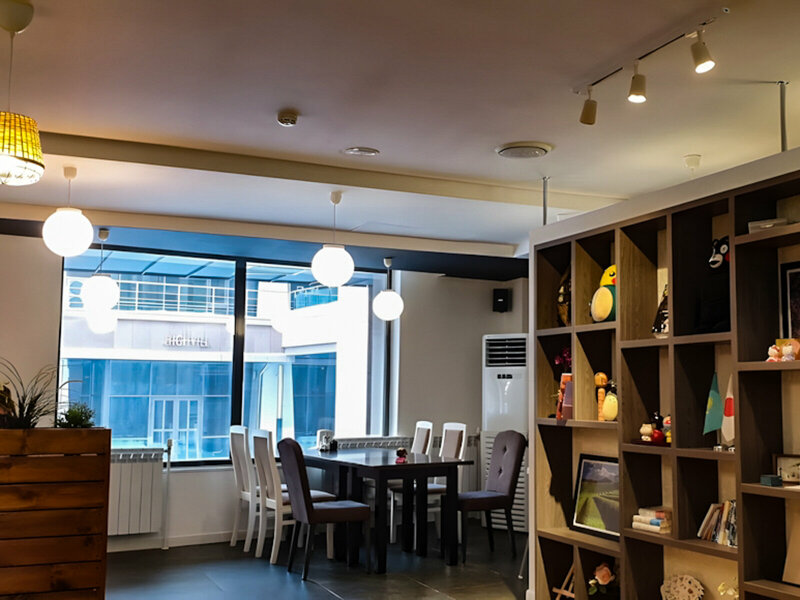
Momona is the capital’s original address for genuine Japanese home cooking. Since 2015, it has been led by chef-owner Daisuke Kishigami. The room feels quietly lived-in, with references to music, books and manga — the kind of details that bring it closer to everyday Japan than to a staged restaurant version of it. Start with teishoku, the classic set lunch: chicken katsu or karaage, for example. Then look to the donburi bowls, built around a fish-broth and soy-based dressing, and the mackerel sushi — a dish reportedly ordered mostly by Japanese guests.
Alexandra Plotnikova, known for the city’s punchy fast-casual projects Cheesesteak and Burritos, now has a new address: Hola-Hola in the Zelenyi Kvartal area. There is no seating here, and that is part of the charm: guests eat at the counter, right beside the open kitchen. The short menu is built around eight burritos — with chicken, beef, or a vegan option — but the fillings go beyond the expected. Salsa and guacamole are joined by stracciatella, beetroot purée and even truffle sauce. Tacos, churros and nachos complete the line-up. Come early: the favourites tend to sell out fast.
Mexican cuisine
Brazilian cuisine
With a Moroccan chef leading the kitchen, Darna stays close to the source — from breakfast through to the more intricate main dishes. Start with talbina, a warm barley porridge with milk, honey, chia, dates and walnuts, or Moroccan shakshuka: eggs set in spiced tomato sauce and served with bread. Then come the deeper flavours — beef tagine with sweet plums, almonds and slow-cooked spice, or Marrakech pastilla, with fine filo, chicken, eggs, honey and nuts. Moroccan tea is essential here: green, fragrant, lifted with mint and Eastern spices. The room completes the journey — ochre walls, carved arches, mosaic patterns and the soft glow of lanterns, giving the sense of a riad somewhere far from central Astana.
Set on the right bank, just steps from the embankment, Rio remains perhaps the only place in Astana that has been serving genuinely Brazilian cooking for 13 years. The kitchen is led by chef Roberto Santos, who is often found not only behind the pass, but in the dining room as well. The Brazilian side of the menu — there is also a Mexican section with tacos, quesadillas and enchiladas — includes coxinha, potato-dough bites with cheese; moqueca de camarão, a fish, prawn and vegetable stew in coconut milk; and brigadeiro, condensed-milk sweets with white and dark chocolate.
Moroccan cuisine
Lebanese cuisine
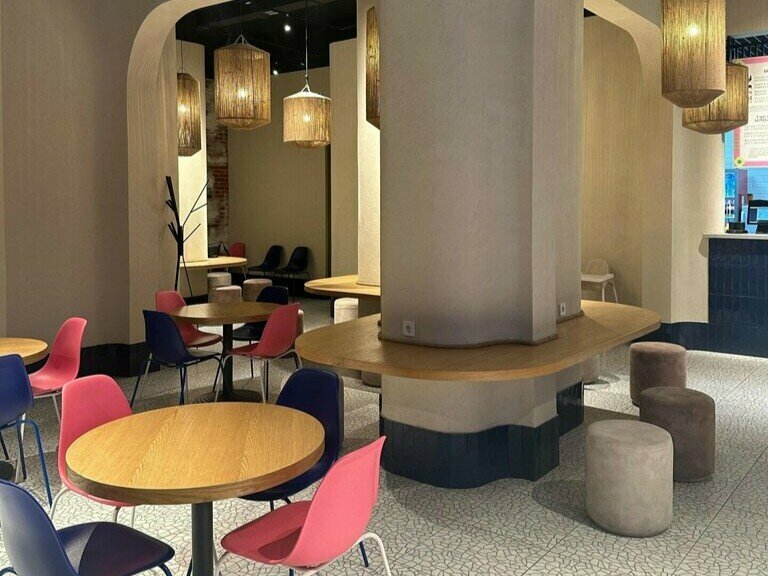
An authentic Lebanese fast-food project with two branches in the city, Al Shawarma does not feel like fast food at all. The interiors are carefully considered, with Middle Eastern references worked in through textured walls, clean-lined furniture and warm, diffused light from fabric lamps. The menu covers fattoush, tabbouleh and hummus, but the real focus is shawarma: with tuna, ribeye steak, chicken, pita, even falafel. Every detail is calibrated — fillings, sauces, textures, balance. The sesame tahini sauce and the garlic sauce with egg deserve particular attention. Order it with the house ayran with mint.
Images: restaurant websites and social media; Yandex Maps
Inside Mega Silk Way, Bitanga serves Ukrainian cooking at full generosity. The menu moves from borscht with pampushki and garlic butter to rich mushroom yushka, Odessa-style mussels with white wine, deruny with mushroom sauce, banosh with cracklings, and «Ukrainian Snickers» — lard whipped with garlic. There is more to linger over: Generalske salo from the Bessarabsky Market, nalysnyky with eight fillings, fried meat varenyky, and chicken Kyiv with truffle butter. End with the classic: brand chef Sergey Baisarevich’s take on Kyiv cake.
Ukrainian cuisine